Learning Outcomes:
i. Students will grasp the fundamental concept of thermometric properties, understanding the characteristics that make a material suitable for constructing a thermometer.
ii. Comprehend the significance of sensitivity, range, and reproducibility in thermometric properties, recognizing their role in accurate temperature measurement.
iii. Identify different types of thermometers, including mercury thermometers, alcohol thermometers, and digital thermometers, understanding their operating principles and limitations.
iv. Apply the knowledge of thermometric properties and thermometer types to select the appropriate thermometer for different applications.
v. Appreciate the importance of calibration and maintenance in ensuring the accuracy and reliability of thermometers.
Introduction:
As we observe the rise and fall of a mercury thermometer in a chemistry lab or check our body temperature with a digital thermometer, we encounter instruments that have revolutionized our understanding of temperature. These instruments, known as thermometers, provide a window into the thermal world, enabling us to measure and quantify the heat that governs various physical and biological processes. This lesson delves into the fascinating realm of thermometers, exploring their essential properties, diverse types, and practical applications.
i. Thermometric Properties: The Foundation of Accurate Temperature Measurement
Thermometric properties are the characteristics that make a material suitable for constructing a thermometer. These properties include:
Sensitivity: The ability of the thermometer to respond to small changes in temperature.
Range: The temperature interval over which the thermometer can provide accurate measurements.
Reproducibility: The consistency of the thermometer's readings under identical conditions.
ii. Types of Thermometers: A Spectrum of Measuring Techniques
Thermometers come in various types, each with its unique operating principle and applications:
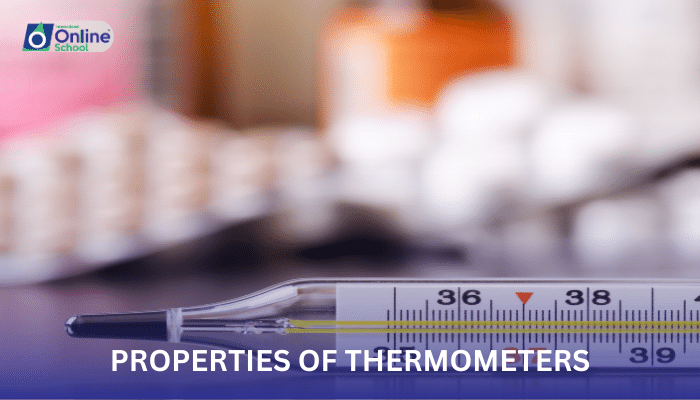
Mercury Thermometers: These thermometers utilize the expansion and contraction of mercury in a sealed glass tube to indicate temperature changes. They are known for their accuracy and wide temperature range.
Alcohol Thermometers: Similar to mercury thermometers, alcohol thermometers employ the expansion and contraction of alcohol in a sealed glass tube to measure temperature. They are generally less expensive than mercury thermometers but may have a narrower temperature range.
Digital Thermometers: These thermometers utilize electronic sensors to detect temperature changes. They provide quick and convenient readings but may require regular calibration to maintain accuracy.
iii. Selecting the Right Thermometer: Matching Properties to Needs
The choice of thermometer depends on the specific application and the desired level of accuracy:
Medical Thermometers: Digital thermometers are preferred for their ease of use and speed in medical settings.
Laboratory Thermometers: Mercury thermometers are often used in laboratories due to their high accuracy and wide temperature range.
Weather Thermometers: Alcohol thermometers are commonly used in weather stations due to their durability and resistance to extreme temperatures.
iv. Calibration and Maintenance: Ensuring Thermometer Reliability
- Regular calibration is crucial to maintain the accuracy of thermometers. This involves comparing the thermometer's readings to a reference standard and making adjustments if necessary.
- Proper maintenance also plays a vital role in ensuring the reliability of thermometers. This includes protecting them from extreme temperatures, physical damage, and contamination.
Thermometers, indispensable tools in various scientific and everyday endeavors, have revolutionized our ability to measure and understand temperature. By comprehending the thermometric properties that govern their performance, exploring the diverse types of thermometers available, and recognizing the importance of calibration and maintenance, we gain a deeper appreciation for the intricate mechanisms that enable us to quantify the heat that shapes our physical world. As we continue to explore the frontiers of temperature measurement, we marvel at the ingenuity and precision of thermometers, recognizing their profound impact on scientific discoveries, medical practices, and everyday life.
